
One of the first things to understand when creating a website is what web hosting is. Although it sounds technical, the concept is fairly simple. Web hosting is a service that makes your website accessible to people worldwide.
Web hosting is the cornerstone that keeps your website active and reachable. Whether it’s a personal blog, or a business website. Your website wouldn’t be visible to anyone else without it. It would just be a collection of files on your computer.
In this article you will learn fundamentals of web hosting, various hosting service kinds, contrast their features. You’ll know exactly how hosting operates and which choice is best for you by the end.
Table of contents
Types Of Web Hosting
When you first dive into the world of hosting, the variety of options can feel overwhelming. To simplify things, let’s look at the most common types of web hosting services.
1. Shared Hosting

The most popular and affordable kind of web hosting is a shared server. This why beginners frequently choose it. Since the provider does the majority of the technical work. This arrangement keeps costs down and management easy. It allows multiple websites to share a single server and its resources.
It’s perfect for startups, personal websites, and small blogs. These sites don’t require much functionality or power. However, if another site on the same server has a lot of traffic. Then your site might perform more slowly because resources are shared.
Similar to living in an apartment complex, it’s inexpensive. However, it can be less private or reliable since you share utilities with your neighbors.
Also Check Out: 20 Best Parallax Websites That Redefine Scrolling Design in 2025
2. VPS Server
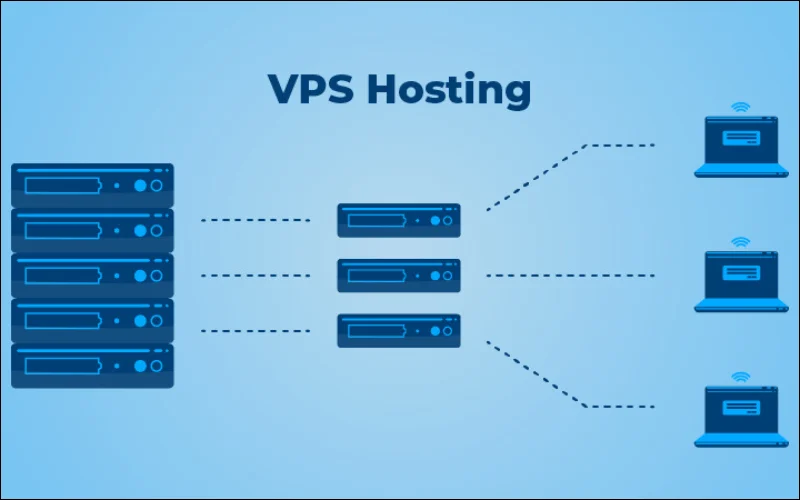
A virtual private server is the next step up in hosting. It offers a balance between cost and functionality. Virtualization technology allocates dedicated portions of resources to your website. However, it still runs on a shared physical server.
As a result, VPS is a fantastic choice for medium-sized enterprises, expanding blogs, and e-commerce sites. It offers greater speed, dependability, and control than shared hosting. This type is more expensive than shared hosting and may require some technical expertise. Overall, it’s the ideal compromise for many website owners.
3. Cloud Hosting
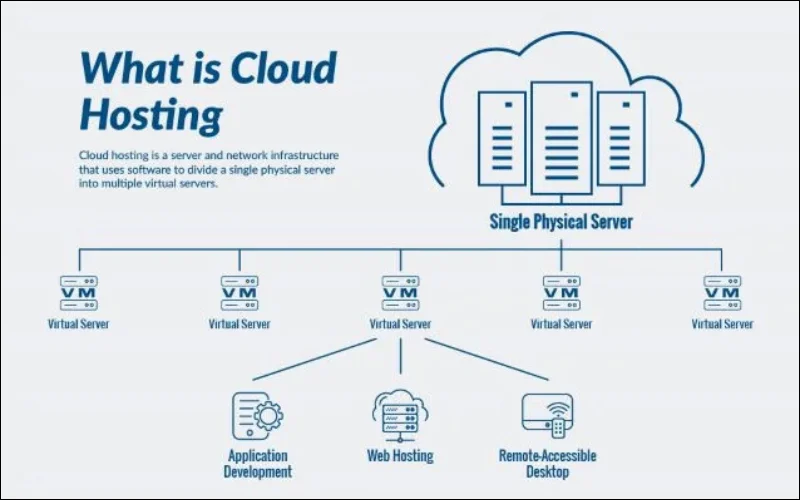
One of the newest and most adaptable hosting options on the market right now is cloud hosting. Cloud hosting stores your website on several linked servers, sometimes referred to as “the cloud”. This type is different from traditional hosting, which depends on a single physical server.
This configuration provides excellent scalability, high uptime, and the capacity to manage abrupt spikes in traffic. It’s ideal for apps that require consistent, dependable performance, online stores, and rapidly expanding enterprises. The advantages of flexibility and reliability often outweigh the cost , though it may rise as your resource requirements increase.
Also Check Out: 20 Contact Us Page Examples Every Designer Should Bookmark
4. Dedicated Hosting

With dedicated hosting, you can use a whole physical server. This also provides the best possible security, control, and performance. This type is best suited for large companies, websites with lot of traffic that need reliable resources without sharing them with others.
Unlike shared or VPS hosting, you don’t have to worry about other websites. They won’t affect your server’s speed or uptime. Although dedicated hosting offers the highest level of security and customisation. It is more expensive and typically requires technical know-how to operate efficiently.
5. Other Kinds Of Web Hosting
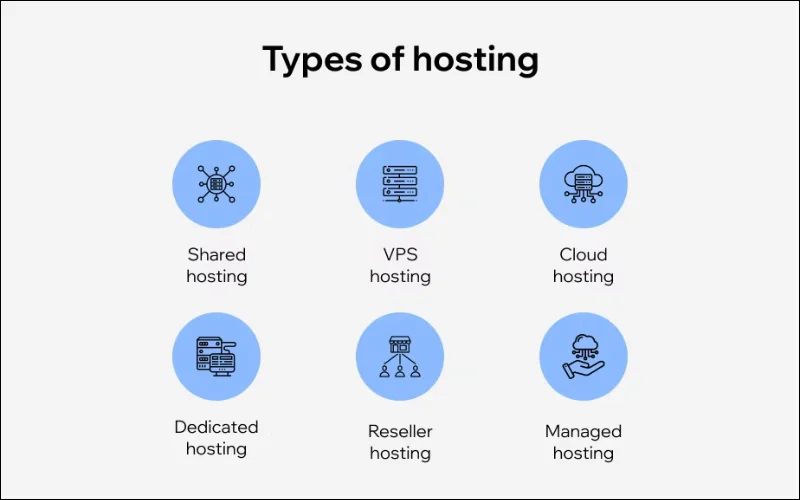
Beyond the primary categories, there are a number of specialised options for web hosting.
WordPress hosting is perfect for bloggers and small businesses. It is designed especially for WordPress websites and offers pre-installed plugins, optimised performance, and enhanced security.
Reseller hosting is ideal for business owners or web agencies. It enables you to lease server space and offer hosting services to customers under your own name.
Managed hosting concentrate on managing your website or business. The provider takes care of server management, security, backups, and updates. These specialised hosting services help guarantee that websites function properly and securely while offering users with flexibility.
Also Check Out: 15 Ultimate Guide to Best AI-Powered Logo Generator Tools
Difference Between Hosting Services
Understanding the differences between hosting services is important for choosing the right one. Each type of hosting has its own advantages and limitations.
1. Shared vs. VPS Hosting
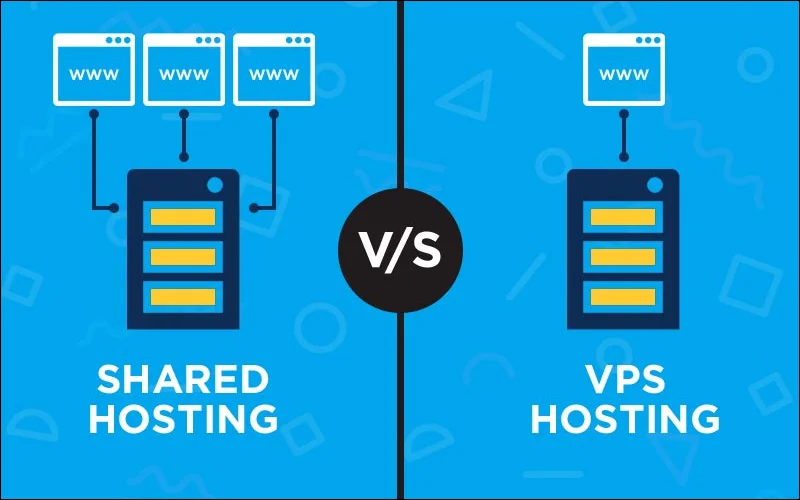
It’s cheap and simple to get started with shared hosting. Its resources are constrained, though. VPS hosting gives you more authority and control.
Additionally, it offers customisation that shared hosting does not. Shared hosting can be compared to taking public transport. VPS hosting is more akin to having your own vehicle. You receive resources, freedom, and privacy.
2. Dedicated vs. Cloud Hosting
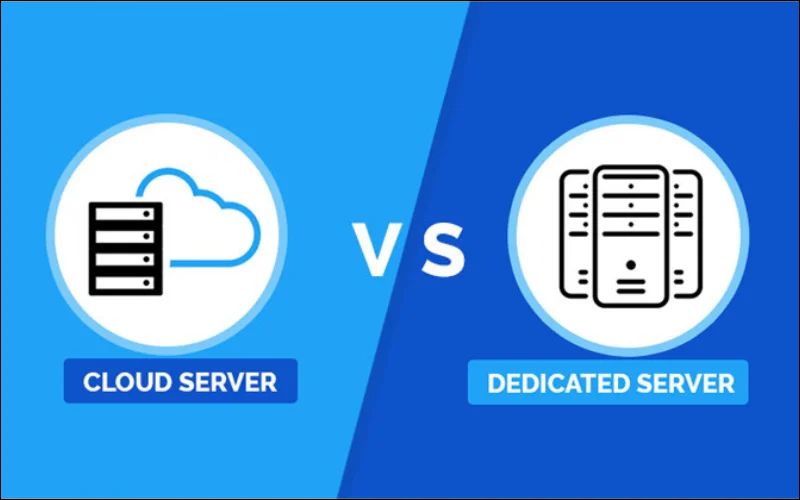
Your website is spread across several servers with cloud hosting. High dependability and flexibility are provided by this configuration. You can use a whole server just for your website with dedicated hosting. It offers optimal security, performance, and control.
Dedicated hosting is similar to owning a private office, whereas cloud hosting is similar to renting coworking space. Although you have complete control, it is more expensive and management-intensive.
Also Check Out: Standard Website Banner Sizes for Better Branding and Engagement
Choosing The Right Hosting Provider
1. Examine performance, uptime, and dependability
The servers of the hosting company greatly affect speed and stability of your website. Choose providers that offer an uptime guarantee of at least 99.9% to ensure your site is almost always available. Fast servers reduce bounce rates and improve user experience both are beneficial for SEO.
2. Verify the calibre of customer service
Technical problems can arise with even the best hosting. Verify that your provider provides round-the-clock assistance via a variety of channels. It can be through all the possible channels email, phone, and live chat.
To find out how helpful and responsive their support staff is, read reviews and testimonials. You can avoid downtime and save time with good customer service.
Also Check Out: Essential Tips To Improve Your Web Designs
3. Think about resource requirements and scalability:
Your website may expand over time, particularly if you add more features or it receives more traffic. Select a hosting package that allows you quick and without interruption increase storage, bandwidth, and memory. Scalability guarantees that your website can easily accommodate expansion.
4. Examine plans and prices
Although cost is a factor, the best hosting provider isn’t always the one with the lowest prices. Examine plans carefully, paying particular attention to what is included, such as storage, bandwidth, security, and extra features. Paying a bit more can occasionally save you headaches and result in better support and performance.
Also Check Out: Your Essential Guide To Mobile Web Navigation Best Practices
5. Seek out extra features
Modern hosting companies offer a variety of extras to help you manage your website. Look for free SSL certificates, email hosting, firewalls, malware protection, and automatic backups. These features reduce your technical workload. They also improve security and protect your data, especially if you’re a beginner.
Web Hosting vs. Domain Name
Although they have different functions, many novices frequently mistake a domain name for web hosting. A domain name, such as example.com, is the address of your website that directs users to it. On the other hand, web hosting is the area on a server where all of the files for your website are kept.
Both are necessary without hosting, there is nothing to show, and without a domain, visitors won’t know where to go. Consider it this way the house itself, with all of your furniture and possessions, is the hosting, and the domain is the street address of your home. When combined, they give your website functionality and accessibility.
Also Check Out: 12 Misconceptions About Web Designers: Common Myths Debunked
Conclusion
In simple terms, web hosting is the service that makes your website visible on the internet. Without it, your domain would have nowhere to point, and your content would remain hidden from visitors.
There are different types of hosting to suit various needs. Shared hosting is ideal for beginners. VPS hosting works well for growing businesses. Cloud hosting is perfect for scalable websites. Dedicated hosting is best for large enterprises.
Choosing the right hosting provider involves considering factors like speed, uptime, security, customer support, and scalability. Whether you’re starting a personal blog, launching an online store, or managing a high-traffic business website, there’s a hosting solution for you. It can help your site run smoothly. It also supports successful growth.
Frequently Asked Questions
1. What is cloud hosting?
loud hosting uses multiple servers to host your site. This ensures better uptime, scalability, and flexibility compared to single-server hosting.
2. What is a VPS server?
A VPS server, or virtual private server, provides dedicated resources on a shared physical server. It offers better performance and control.
3. What is dedicated hosting?
Dedicated hosting gives you an entire server exclusively for your website, offering maximum performance and security.
4. How to choose the best web hosting provider?
Evaluate uptime, performance, customer support, scalability, and extra features like SSL and backups before choosing.
5. What are the cheapest hosting providers?
Many providers offer budget-friendly plans, but always balance cost with reliability and support.
6. What is the difference between hosting types?
Shared is affordable but limited, VPS offers more resources, cloud is scalable, and dedicated provides full server control.